How we deliver mass digitization with per-tape optimization
Large digitization projects are often treated as bulk work. We take a different approach. Every tape gets individual attention. We combine an efficient workflow with strict technical quality control so that each recording in your archive transfers to digital without compromise.
Traceability and process control
Material security starts with an unbroken chain of custody. We designed our process so that every batch and individual tape can be traced from arrival to return.
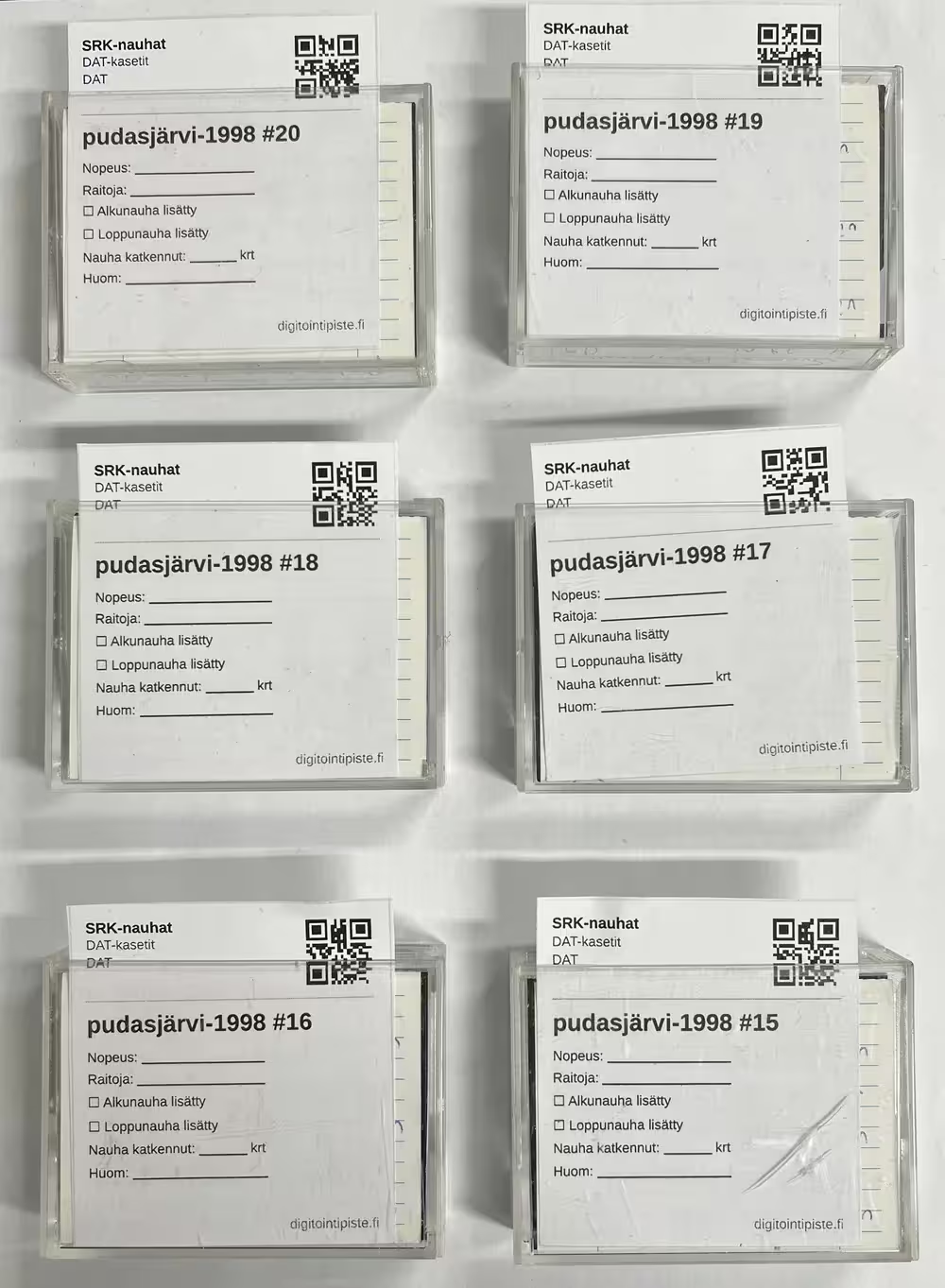
When materials arrive, we immediately verify them against the shipping list and register every batch in our system. At the same time, we perform an initial condition assessment to flag any anomalies. Each tape and cassette receives a unique ID that follows it through every stage, from preparation to digitization and return. We always know exactly where each recording is and what its status is.
We report project progress regularly. For large projects, we provide status reports covering each work phase and sub-collection.
Tape inspection before digitization
We analyze every tape individually before digitization. This minimizes risk to the material and lets us determine tape-specific technical settings.
- Physical condition assessment: We identify mechanical faults and chemical damage such as mold or binder degradation.
- Track visualization: We use a purpose-built viewing device that physically displays the tape tracks. This confirms the correct playback head selection without guesswork.
- Speed determination: We determine the recording speed, including any speed changes within the same tape.
Azimuth adjustment
Azimuth adjustment, aligning the playback head angle to match the original recording, is the single most critical step in high-quality digitization. If the angle does not match, high frequencies are lost.
Why adjust for every tape? Ideally, all tape machines would leave the factory with identical head alignment. In reality, they do not. The recording machine's heads may have been misaligned from the factory or adjusted incorrectly later.
This is why azimuth must be set individually for each tape. If a single tape contains recordings made on different machines, the angle must be adjusted separately for each section.
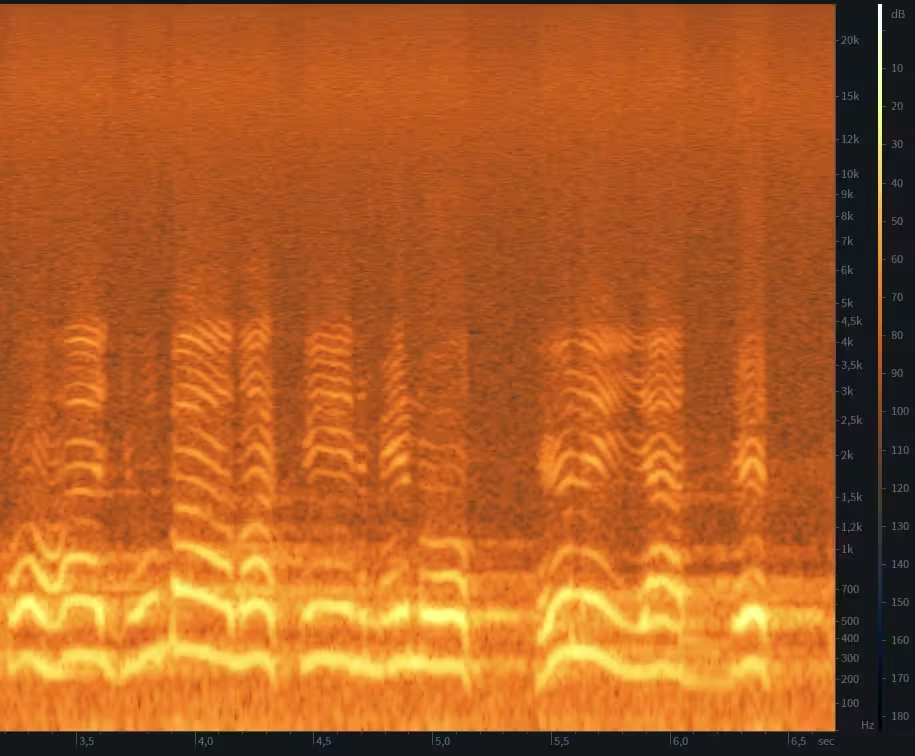
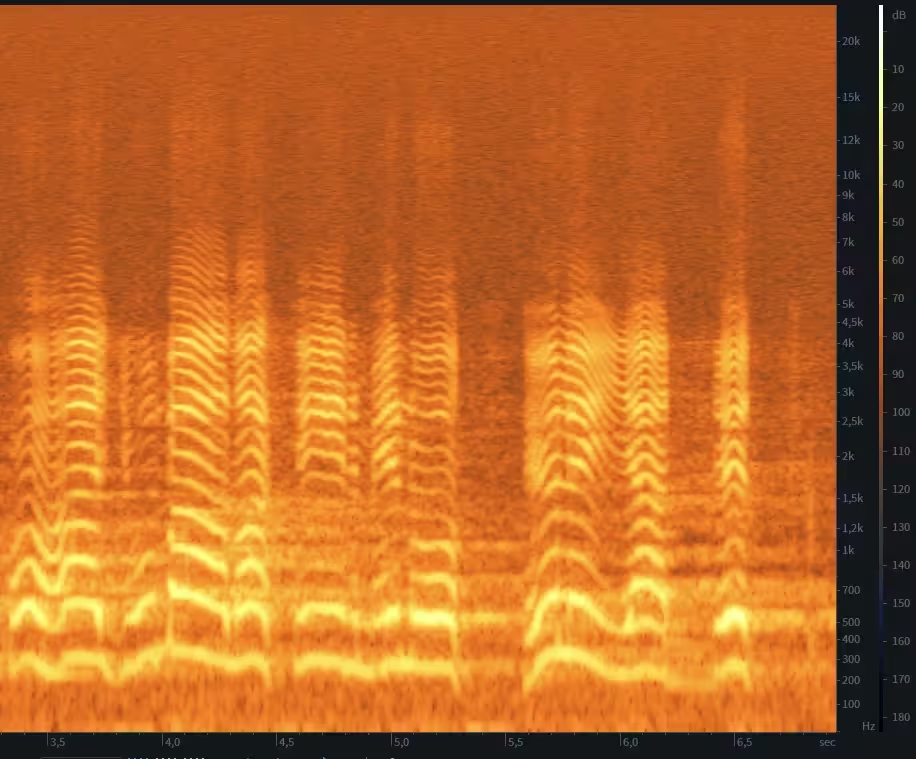
Effect on sound quality: Incorrect azimuth attenuates audio significantly already below 5 kHz, making speech and music sound dull and muffled. We do not rely on listening alone. We set the correct angle using an oscilloscope and spectrogram, ensuring perfectly accurate head alignment.
Incorrect azimuth
In this example, the playback head is straight, but it does not match the original recording angle. The sound is dull and high frequencies are missing.
Per-tape adjustment
The same tape digitized with Polartape's process. The azimuth is set exactly right, restoring the full frequency range and original spatial quality.
A faithful digital copy of the analog tape
Our goal is a digital copy that matches the tape's content to the decibel. The digital file should be practically identical to the original source.
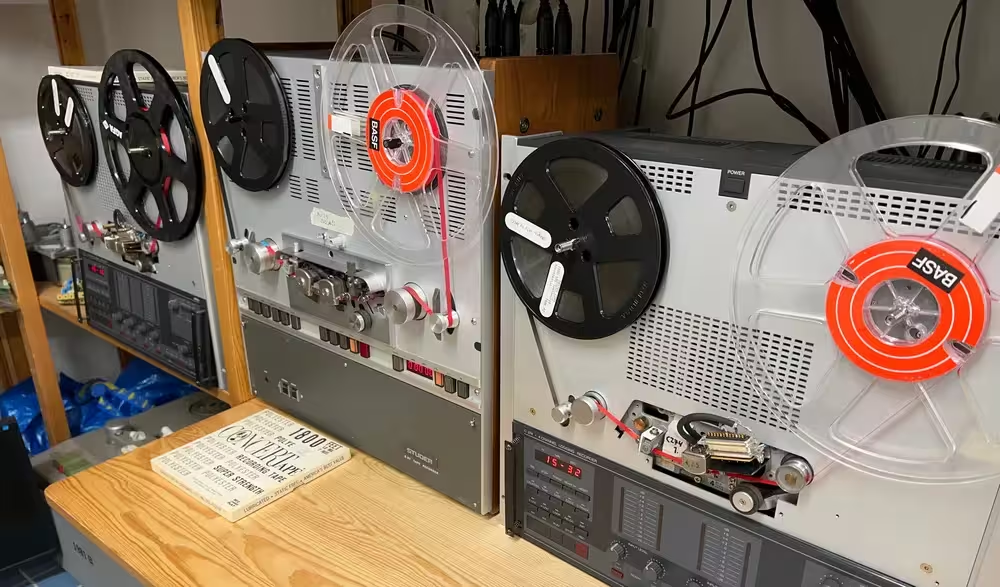
- Calibrated tape machines: We use only studio-grade tape machines with flat frequency response. We calibrate our equipment regularly to ensure every frequency reproduces at the correct level across the full range.
- Shortest possible signal path: The analog signal travels from the tape machine to the A/D converter with no unnecessary stages or processing. We use only studio-grade shielded cables and connectors to preserve signal integrity.
- A/D conversion: We use high-end RME A/D converters. They add nothing to the audio. They convert the analog signal to digital data with extreme precision.
- Archive-standard formats: We record at 24-bit / 48 kHz by default, with other formats available as needed. Sufficient bit depth captures the tape's full dynamic range, including the quietest details, without digital quantization error.
Equipment reliability and in-house maintenance
Professional tape machines are increasingly scarce, and maintaining them requires specialist expertise. We have invested in in-house maintenance capacity and a comprehensive spare parts inventory to ensure project continuity.
We regularly verify the frequency response of our equipment and measure critical parameters such as wow and flutter and tape speed. This guarantees that every playback unit meets digitization requirements every working day.
We do not depend on external service providers. We maintain and calibrate our equipment ourselves. Our in-house expertise and stock of critical spare parts ensure that technical issues never delay the agreed schedule, even on the largest archive projects.
Handling problem tapes
Not all archive material is ready for immediate playback. Magnetic tape degrades chemically and mechanically over time. We have established methods for the most common types of tape damage.
- Heat treatment or cold treatment: Some tapes suffer from binder degradation known as Sticky-Shed Syndrome. The tape sticks to the playback head and prevents playback. We use precision-controlled ovens for heat treatment that allows playback without sticking. We can also use cold treatment as an alternative method.
- Cleaning and mold removal: Long-term storage in poor conditions can cause mold damage. We clean tapes mechanically as needed before digitization.
Data integrity and technical documentation
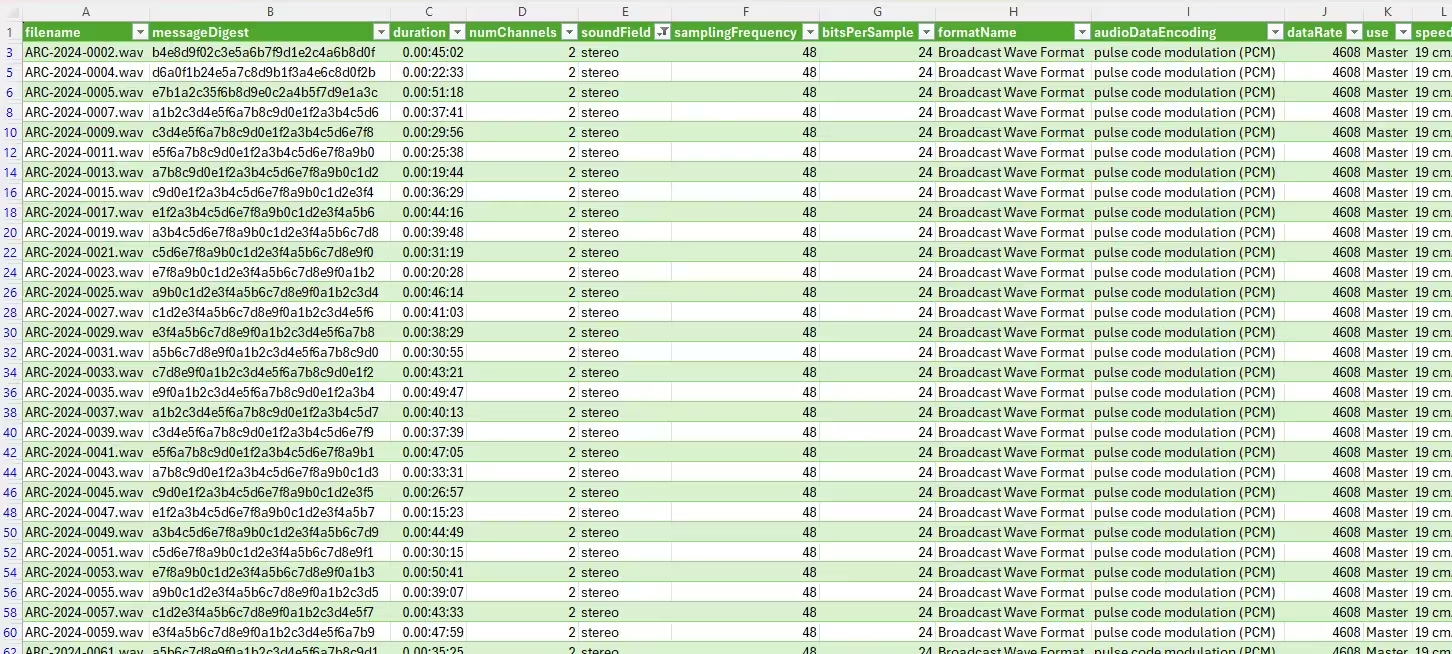
Alongside the audio files, we deliver comprehensive metadata. The scope is agreed per client. Every delivery includes MD5 or SHA checksums for all files and a technical metadata schema conforming to the AudioMD standard.
We also document the digitization process itself. This includes records of actions taken (such as heat treatment or cleaning) and the equipment used. This preserves the complete technical history of your material.
Secure workflow and data delivery
Digitized material is a valuable document. We handle it with precision and according to your requirements. Data stays intact throughout the process, and ownership transfers clearly back to you when the project is complete.
- Secure production environment: We process your material in a secure environment where only digitization personnel have access to the data. This keeps materials confidential throughout the entire process.
- Flexible and secure delivery: We deliver finished data according to your requirements, using proven secure methods such as encrypted physical media or secure file transfer services.
- Controlled data deletion: We keep a temporary backup solely to ensure successful delivery. Once you confirm receipt and verify the digital material, we permanently delete all working copies from our systems.
Let's plan your digitization project together
Ten specialist tapes or tens of thousands of hours of broadcast archive, we approach every project with the same technical rigor. We will give you a clear plan, timeline and cost estimate for preserving your material.